Reflections on Ahmedabad: Human Connection and the Documentary Eye
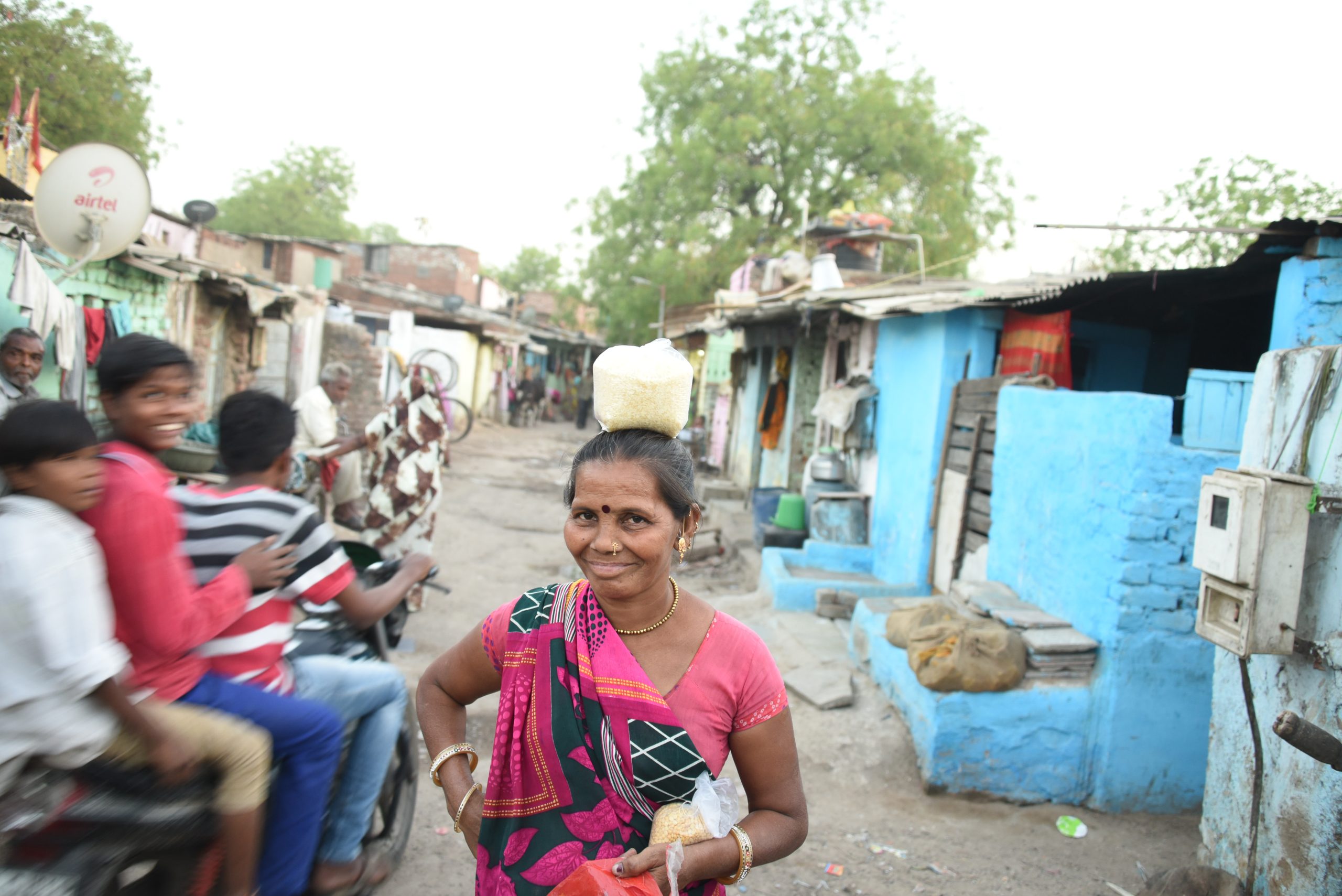
My work as a documentary photographer has often taken me into environments that exist on the periphery of our common urban experience. I have spent years moving through the slums of various cities, looking for the human story within landscapes that are frequently—and often unfairly—defined by their external markers of poverty. When I traveled to Ahmedabad, I expected to find the familiar rhythm of these informal settlements, but I quickly learned that there is a profound difference between observing a place and being invited into it.
The Hospitality of the Streets
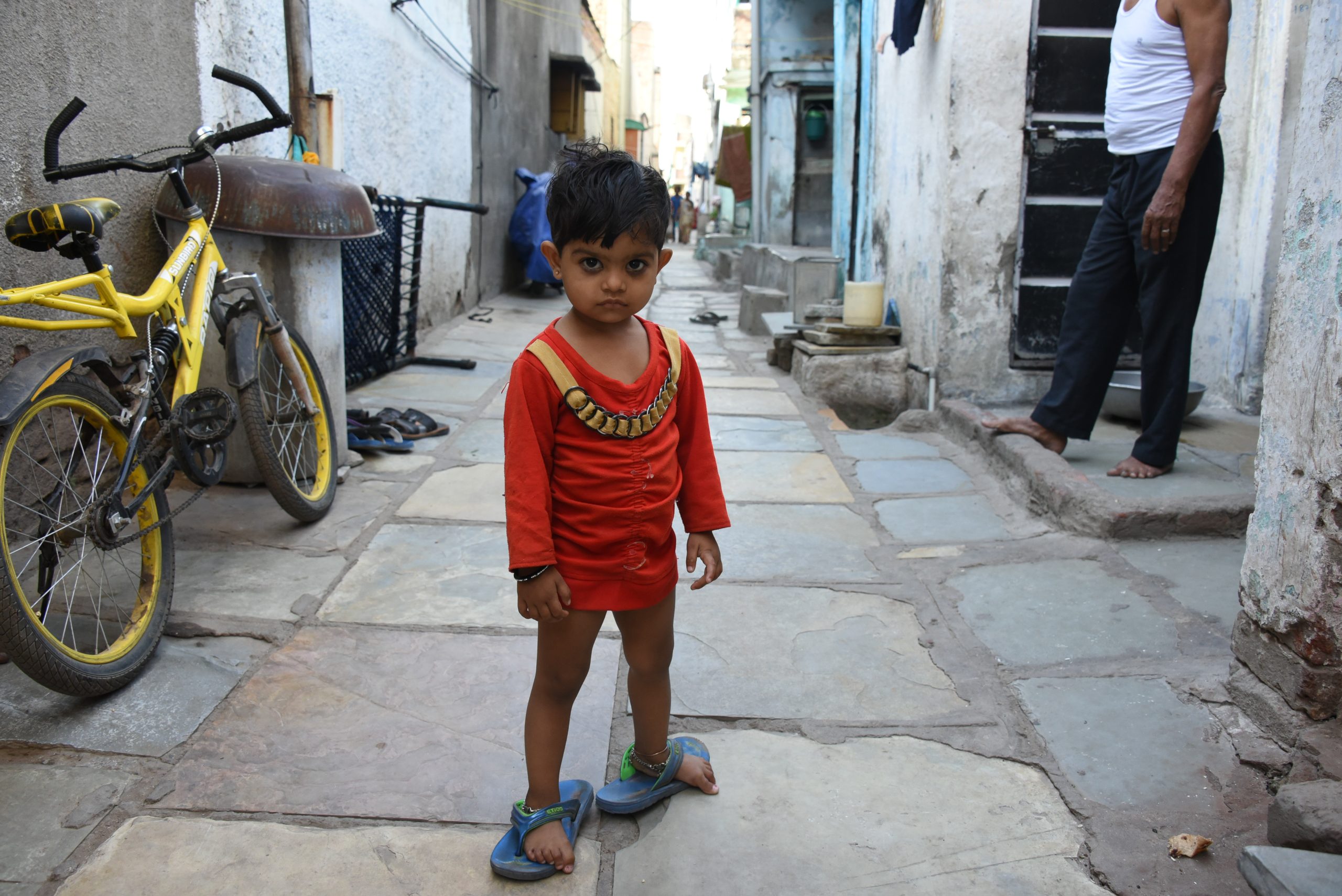
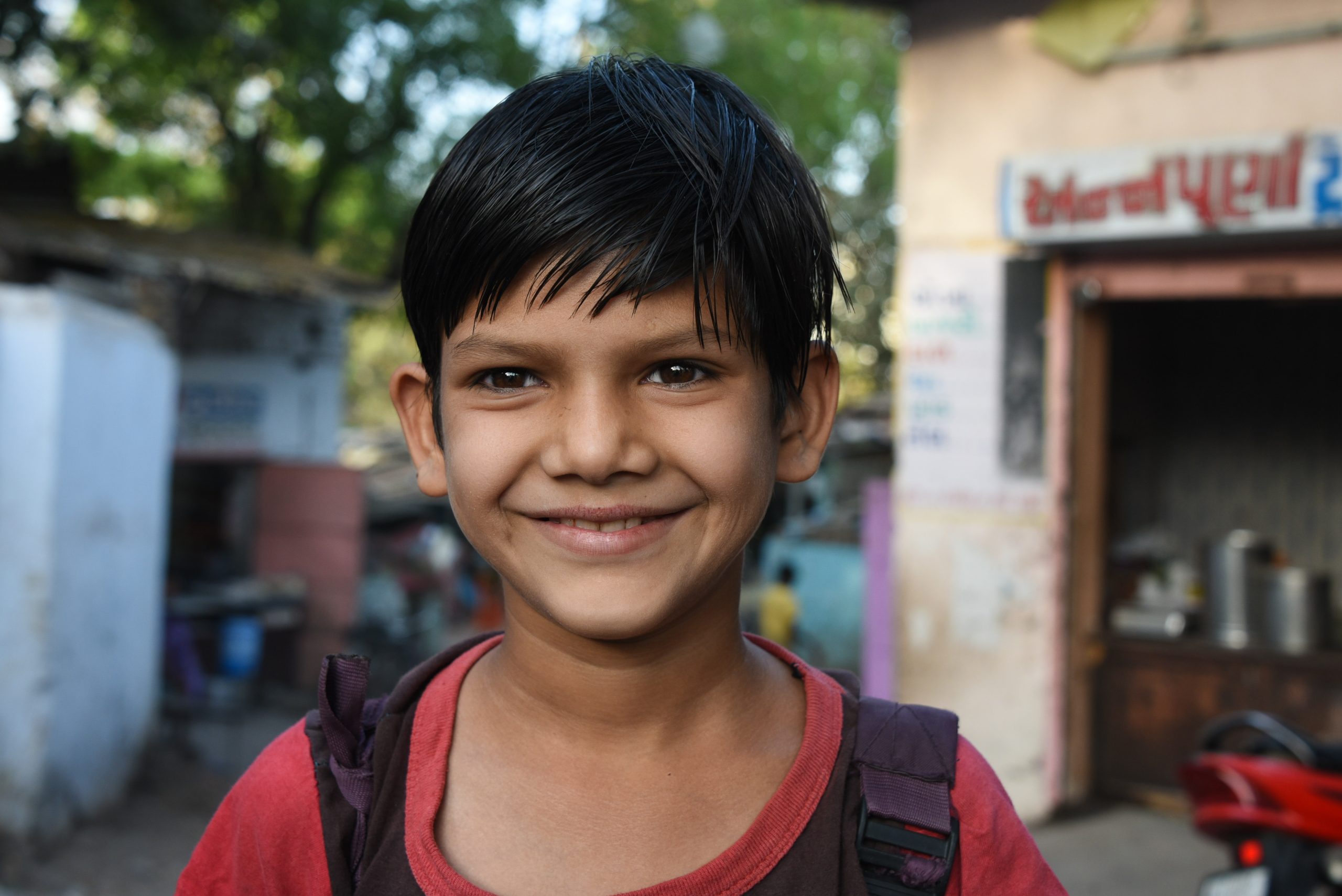
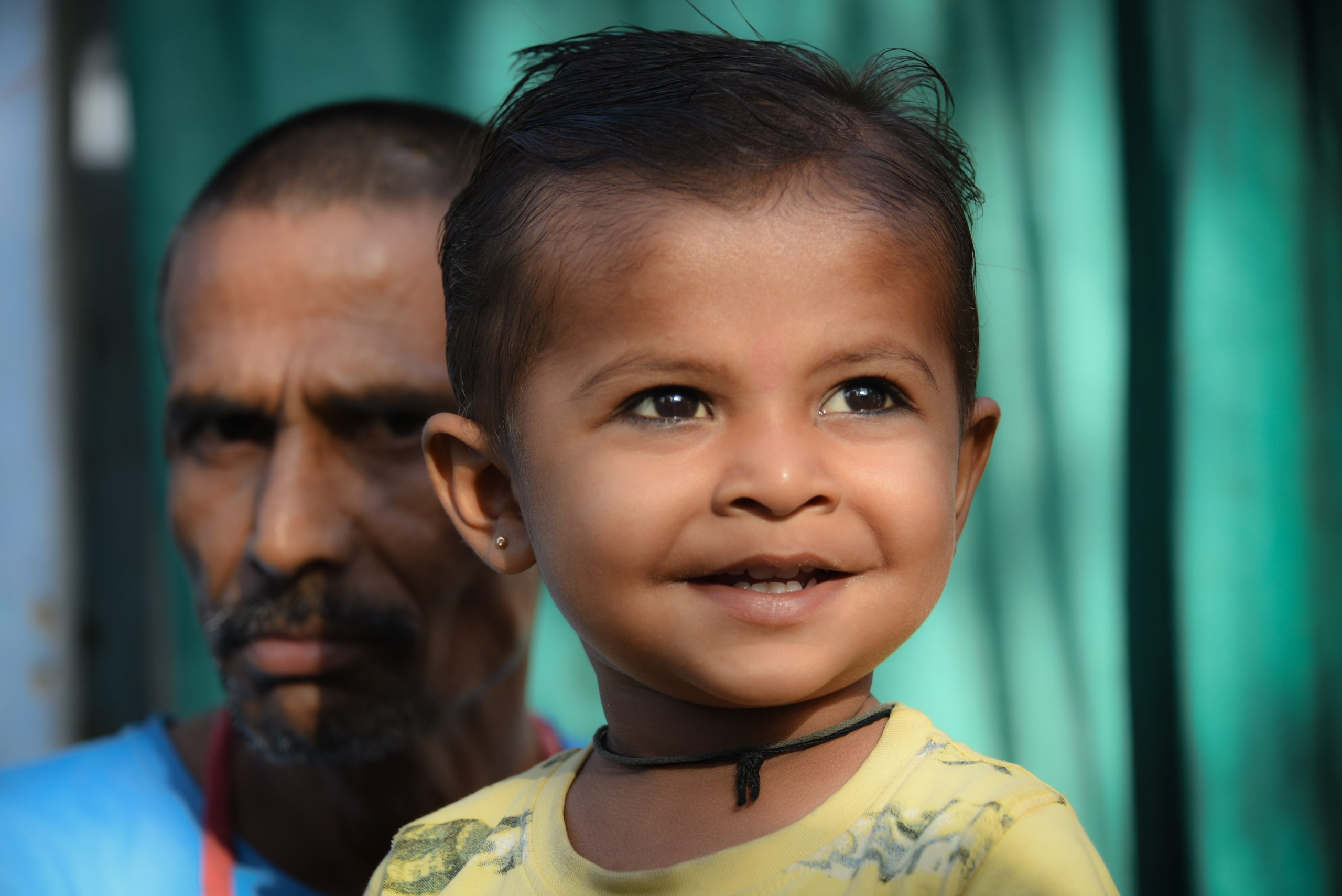
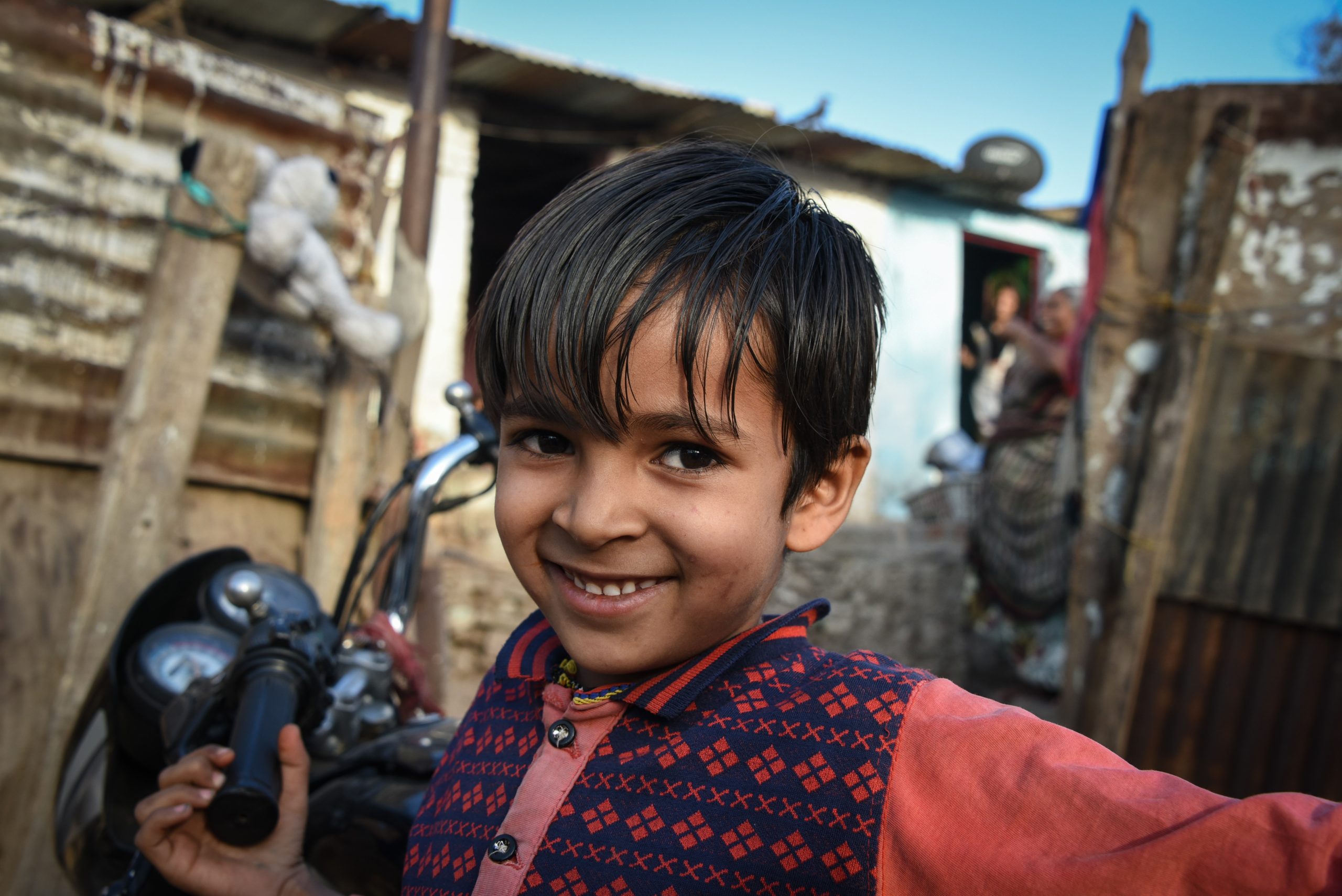
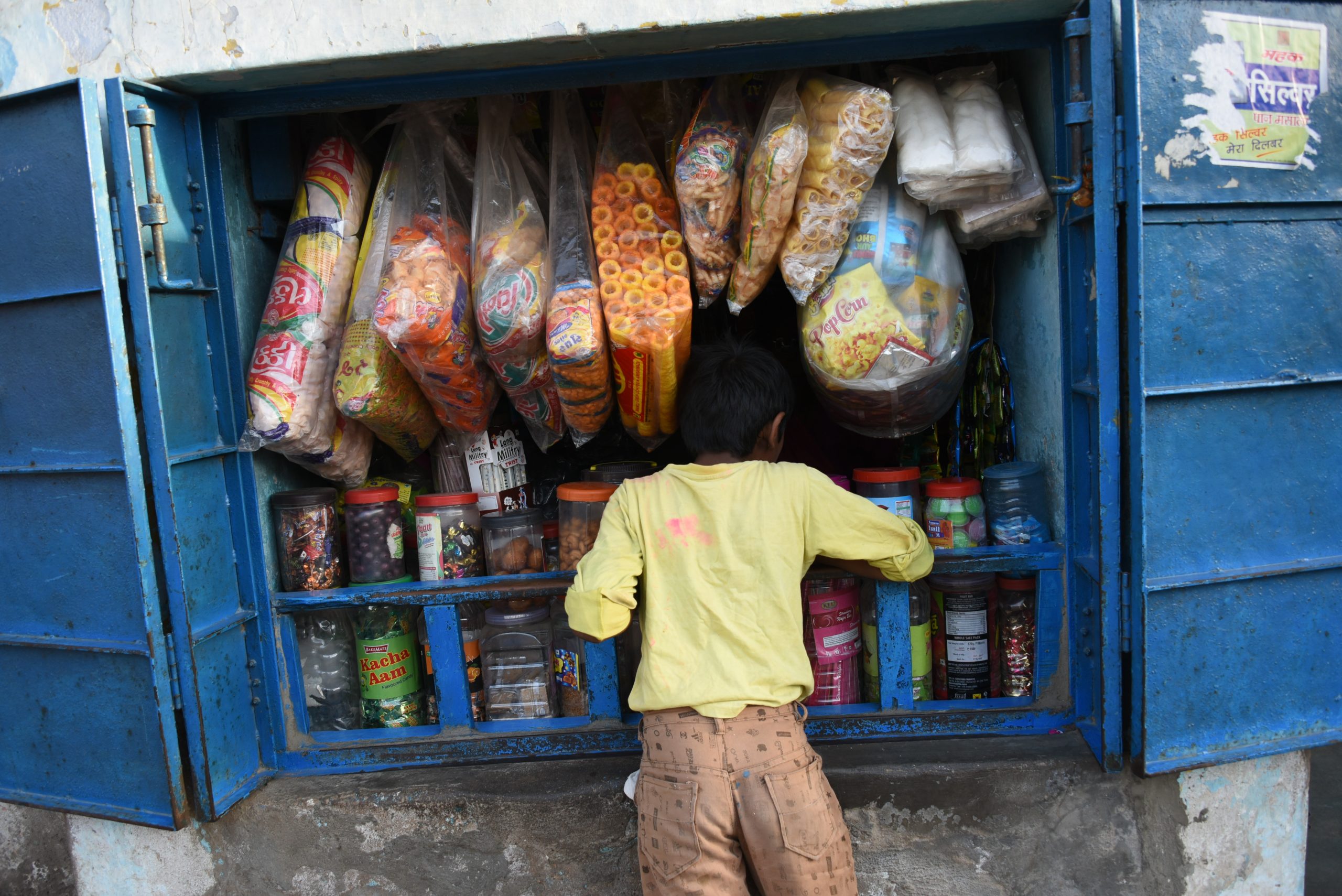
One of the most striking aspects of the slums in Ahmedabad was the overwhelming friendliness and generosity of the people. It is a recurring theme in my travels, yet it never ceases to humble me. You walk into these spaces expecting to be an outsider, yet you are often met with an openness that challenges every preconceived notion you might be carrying.
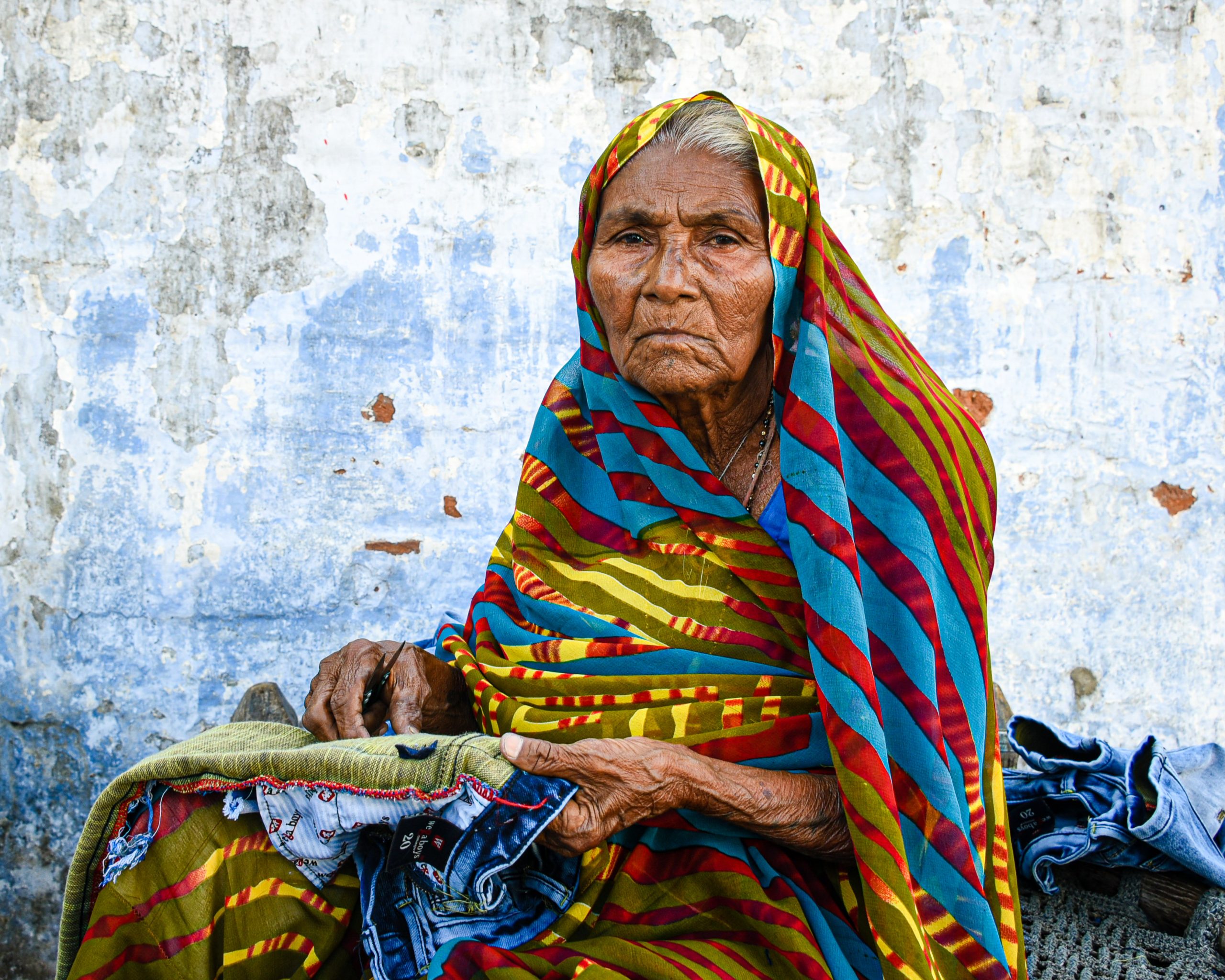
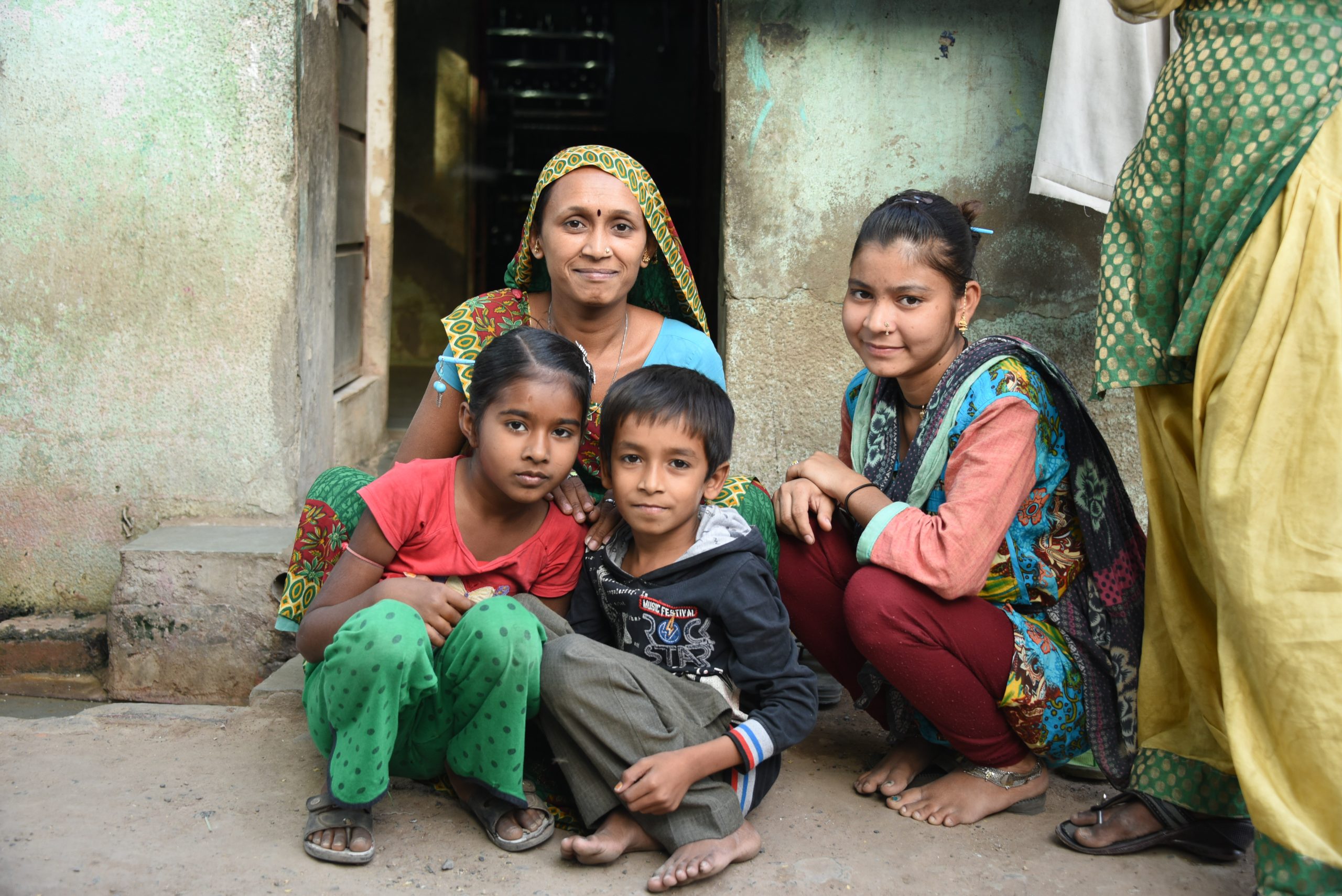
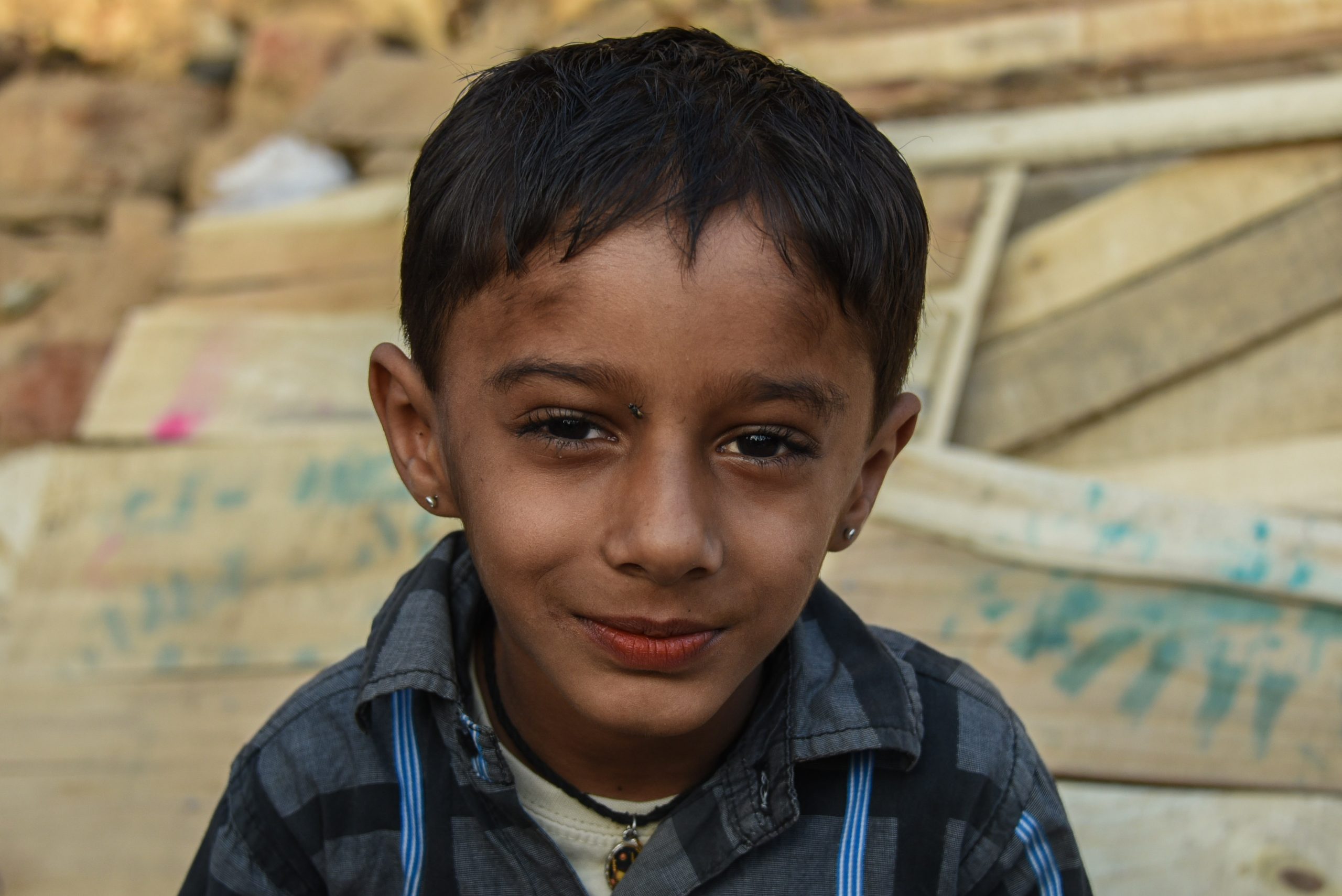
This was never more evident than during a walk through a local neighborhood where I had been photographing a group of children playing in the streets. As I engaged with them, I was approached by an elderly woman—the great-great-grandmother of the children I was capturing. She did not see a stranger with a camera; she saw a guest. She gestured for me to come inside, inviting me into her home to see how her family lived.
Challenging Perceptions
I must admit, I was initially surprised by what I saw when I crossed the threshold of her home. There is a certain embarrassment in confessing this, but my own internal biases had prepared me for a different reality. What I found instead was a space that was exceptionally tidy and maintained with a deep sense of dignity. It was a reminder that environmental circumstance does not dictate the pride and care people invest in their private lives.
This encounter highlighted the central tension in my work: the gap between the story the world tells about a place and the actual reality of the human beings living within it. It reinforced the importance of the “documentary eye”—the need to slow down, build trust, and truly look beyond the surface.
Beyond the Lens
My time in Ahmedabad was not just about chance encounters; it was also defined by the disciplined beauty I witnessed at
Gurukulam Shiksha. Documenting the lives of the residents here feels like an extension of the work I have done elsewhere, such as my time documenting the
Mallakhamb performers. Whether it is the athletic precision of a performer or the quiet strength of a grandmother stitching jeans in her home, the goal remains the same: to capture the resilience, generosity, and humanity that persist, regardless of the setting.